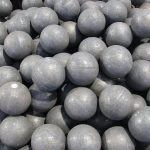
Mill Grinding Balls, Grinding Cylpebs and Grinding Rods
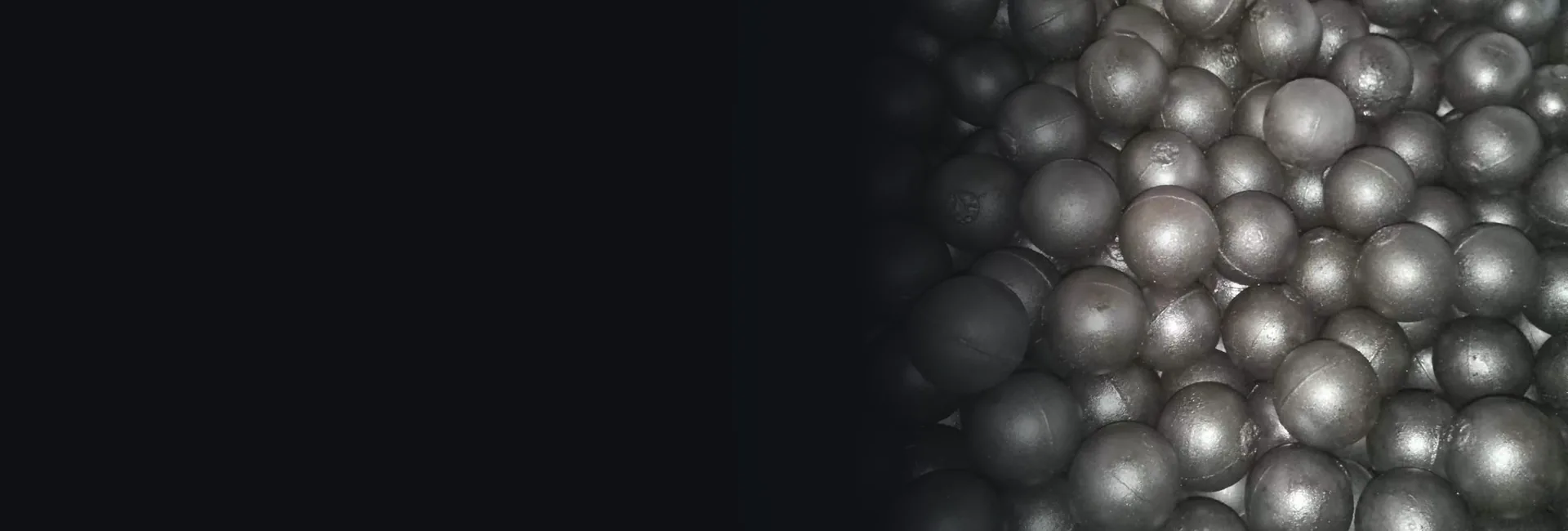
Grinding Media for Cement Plants
A cement plant grinds raw meal and clinker in tube mills. The first chamber breaks the feed with large balls and high impact; the second chamber grinds fine with small balls or cylpebs and relies on abrasion resistance. Using one grade across both chambers is the most common way cement plants overpay for media.
Chamber-by-chamber recommendation
| Position | Media | Size | Material |
| Raw mill 1st chamber | Forged balls | 60-90 mm | 60Mn / 65Mn, HRC 55-60 |
| Raw mill 2nd chamber | Cast balls or cylpebs | 30-60 mm | Cr-Mo or high chrome, HRC 50-62 |
| Cement mill 1st chamber | Forged balls | 50-80 mm | 65Mn / B2, HRC 58-62 |
| Cement mill 2nd chamber | Cast cylpebs or small balls | 20-50 mm | High chrome Cr18-26, HRC 58-65 |
| Coal mill | High chrome balls | 30-60 mm | Cr18-26, HRC 58-65 |
Where the savings are
- Cylpebs in the second chamber raise surface contact and cut specific power
- High chrome in the finish chamber outlasts low chrome by a wide margin on abrasive clinker
- Liner profile and media size must be matched – a classifying liner with the wrong ball size does not classify
- Diaphragm slot width controls the material level in each chamber, which changes wear on both media and liners
Typical consumption is 100-300 g per tonne of clinker, with the higher end on abrasive clinker and older mills.
Related: grinding cylpebs | cast grinding balls | cement mill liners